What To Expect When Buying In Weston
May 28, 2026
May 28, 2026
If you are thinking about buying in Weston, the first thing to know is simple: this is one of the highest-priced markets in the western Boston suburbs, and it rewards buyers who are prepared. You may be drawn to the larger lots, classic New England homes, or the balance of privacy and Boston access. Whatever brings you here, understanding how Weston’s housing stock, pricing, and pace work can help you make smarter decisions. Let’s dive in.
Weston sits at the premium end of the local suburban market. In March 2026, Redfin reported a median sale price of $2,308,000, while Realtor.com reported a median listing price of $3,612,000. The exact number varies by platform, but both point to the same takeaway: Weston has a high entry point.
Compared with nearby towns, Weston stands apart on price. Redfin reported March 2026 median sale prices of $1,825,000 in Wellesley, $1,132,500 in Wayland, $1,080,000 in Sudbury, and $905,000 in Lincoln. If you are comparing towns, it is important to adjust your expectations early so your search stays realistic.
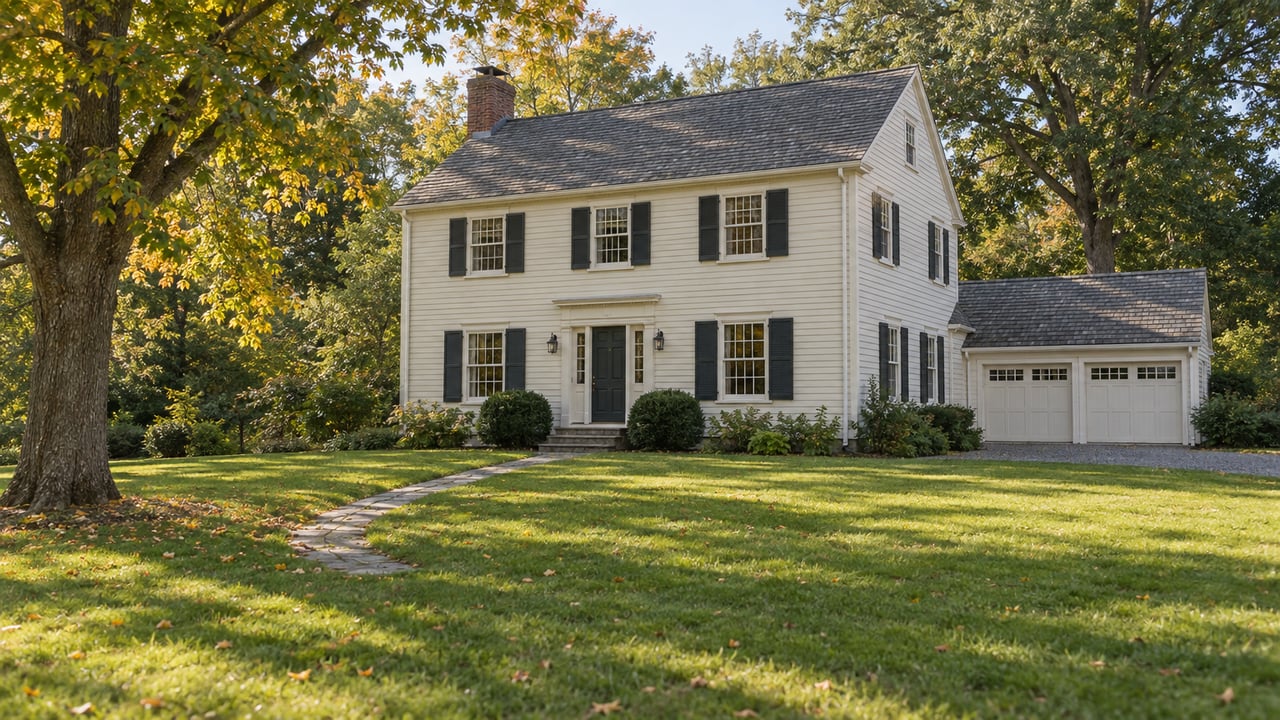
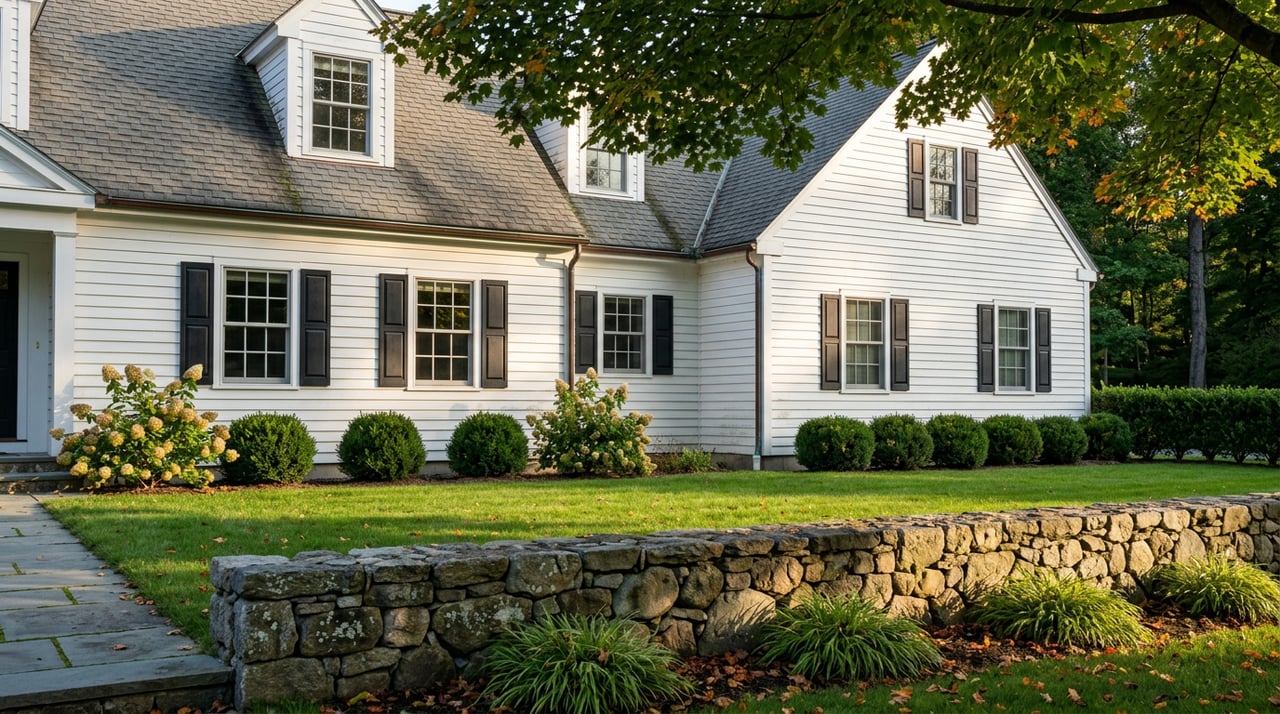
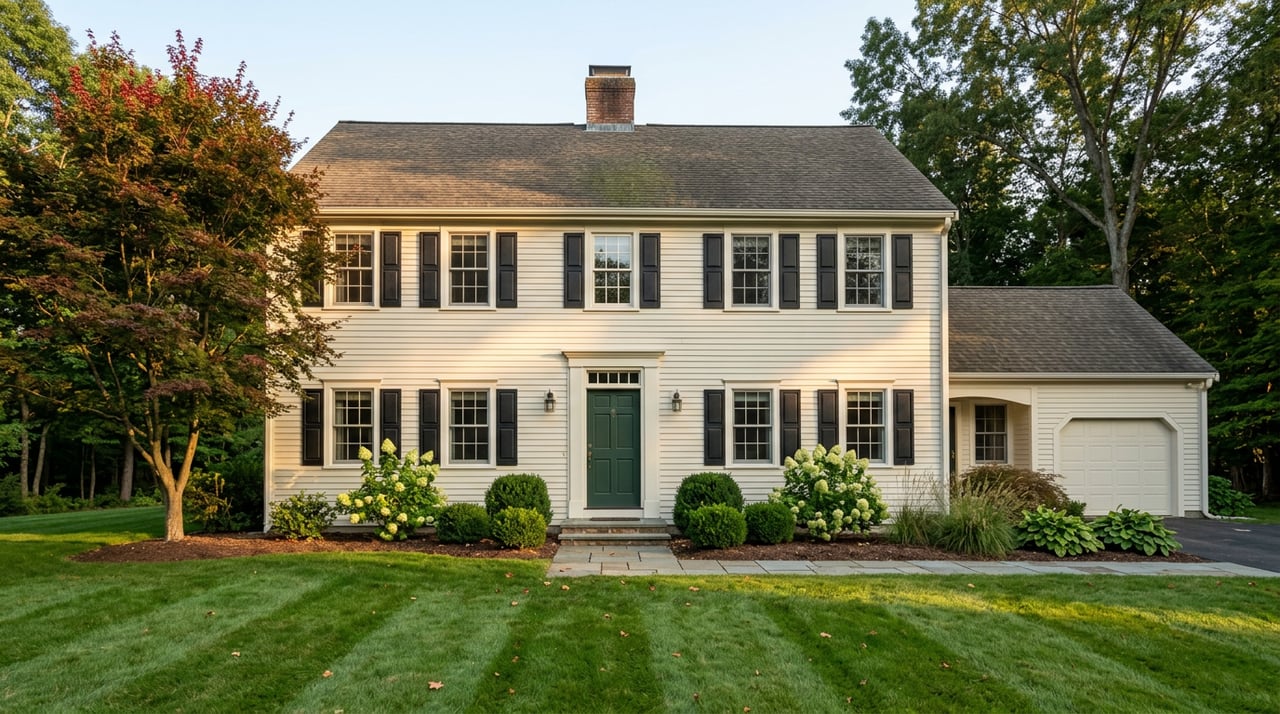
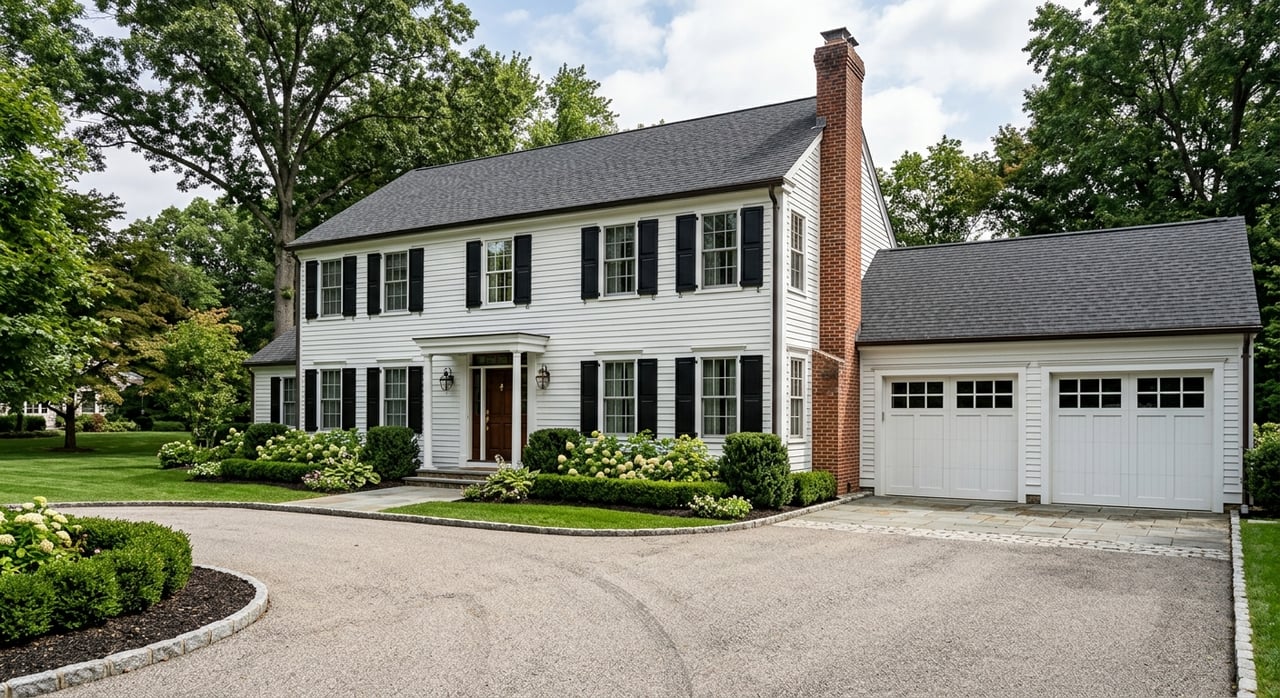
One thing many buyers notice right away is that Weston does not feel like a one-era subdivision town. Its built history includes Colonial, Georgian, Federal, Greek Revival, Italianate, Second Empire, Queen Anne, Shingle Style, Tudor, Bungalow, International Style, Cape Cod, and Colonial Revival homes. That range creates a market with more architectural variety than many nearby suburbs.
You will also see a strong local preference for regional styles. Town guidance for new construction recommends styles such as Colonial, Greek Revival, Mid-19th Century Farmhouse Adaptations, and Shingle Style. The town notes that many newer houses are built in Shingle Style because it works well for larger homes while keeping a more relaxed character.
For buyers, that means your search may include everything from older period homes to substantial newer construction. It also means house-to-house differences can be significant, even within the same price band. Layout, setting, updates, and architectural character often matter just as much as square footage.
Weston is also known for larger residential lots. In the town’s single-family districts, minimum lot sizes range from 20,000 to 60,000 square feet, depending on the zoning district. Frontage requirements also range from 150 to 250 feet.
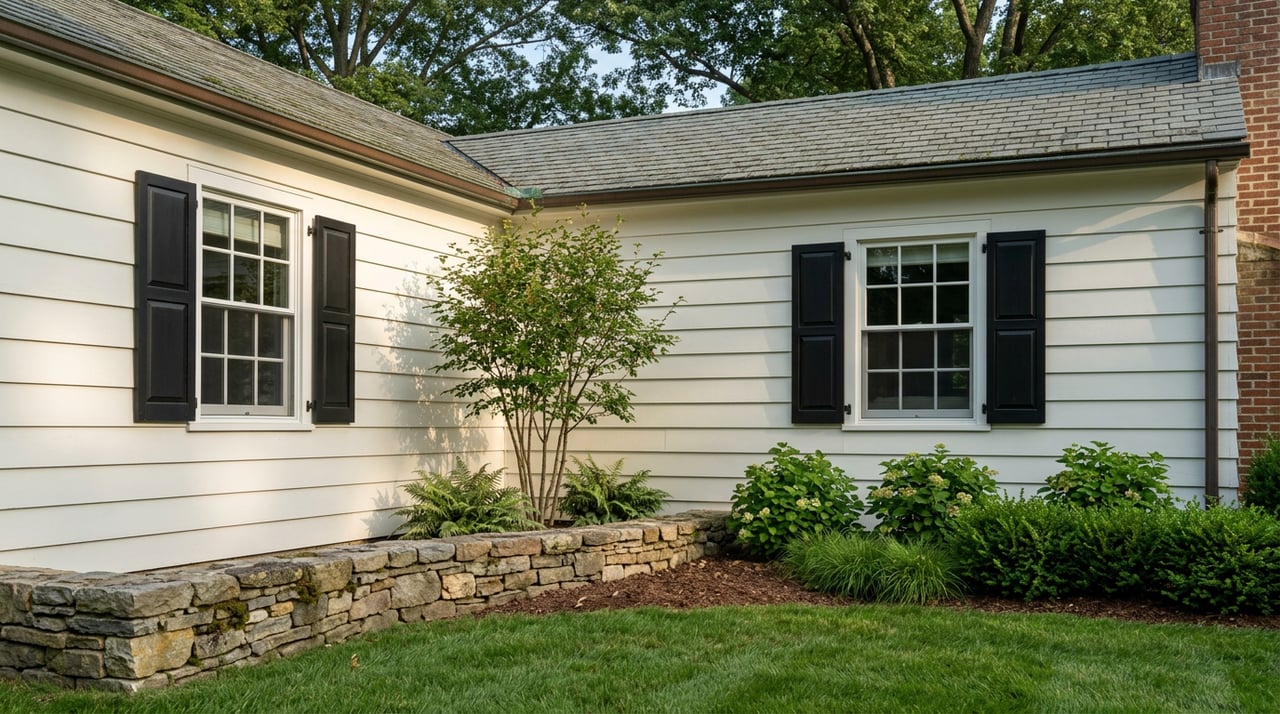
That zoning helps shape what daily life looks like here. In many parts of Weston, you can expect detached homes, wider setbacks, mature landscaping, and a greater sense of privacy. If you are moving from a denser suburb or urban neighborhood, the scale of the lots may feel like a major change.
Most residential properties in Weston are in zones A, B, C, or D, where a single-family home is the only by-right use. That matters because it reinforces the town’s low-density feel. It also helps explain why detached homes are such a central part of the market.
That said, condos do exist in Weston, and recent local sales data include at least one condo sale. If you are looking for a lower-maintenance option, your opportunities may be more limited than in towns with a larger townhouse or condo supply. Planning ahead and staying flexible can help.
Weston offers access to Boston, but your day-to-day routine will likely still involve driving. The town lists Routes 30, 117, and 128/I-95, plus U.S. 20 and the Massachusetts Turnpike, as principal highway connections. That road network supports regional access well.
For rail commuters, Weston has commuter rail service to North Station from Hastings and Kendal Green. Travel time is listed at about 30 to 31 minutes from Hastings and 28 to 29 minutes from Kendal Green. Parking is limited, though, with no MBTA parking at Hastings and 56 spaces at Kendal Green, half reserved for residents.
The town also states that there is currently no bus service in Weston. In practical terms, that means Weston can work very well if you want commuter rail access without giving up a quieter suburban setting, but most errands and daily logistics remain car-dependent.
Buyers often ask whether Weston is fiercely competitive. The answer is yes, but not in a uniform way. Redfin describes Weston as very competitive and reported 10 homes sold in March 2026 with a median market time of 45 days, while Realtor.com described it as a balanced market with 49 active homes, a 97% sale-to-list ratio, and 25 median days on market.
Those figures suggest a market that is active but not identical across every listing. Some homes move quickly, while others take longer. In Weston, pricing, presentation, condition, and property type can make a big difference.
Recent sales help show that pattern. One Wellesley Street home sold 5% under list after 59 days, while a Westland Road home sold 4% under list after 55 days. A Jericho Road condo sold 5% over list after 42 days, a Newton Street home sold 13% over list after 67 days, and a Montvale Road home sold at list after 113 days.
The lesson for buyers is important: there is no single offer formula that works on every Weston property. Some homes may require strong early action, while others may leave room for negotiation. A property-specific strategy matters more than broad assumptions.
Buying in Weston usually takes a mix of patience and decisiveness. Inventory can include very different home styles, lot sizes, and price points, so comparing homes is not always straightforward. A buyer who is clear on priorities from the start often has an easier time narrowing choices.
It helps to define what matters most before you begin touring seriously. For example, you may want to rank these factors:
When you know where you can compromise and where you cannot, it becomes much easier to react when the right home appears.
Weston includes notable historic areas such as the Kendal Green Historic District, which spans roughly 50 acres along North Avenue and includes Colonial, Federal, and Shingle Style buildings, worker housing, and a former railroad station. Silver Hill is also listed on the National Register of Historic Places.
For buyers, historic character may be a major part of the appeal. It can also mean that setting, architectural details, and neighborhood context carry extra weight in how a home feels. If character is high on your list, Weston offers options that are hard to duplicate in more uniform suburban markets.
A successful Weston purchase usually starts with realistic expectations. Because prices are high and homes vary widely, it helps to understand the market before you fall in love with a specific property. Looking at pricing, days on market, and lot characteristics together gives you a more complete picture.
From there, your strategy should stay grounded and flexible. In one case, a home may need a clean, compelling offer quickly. In another, patience and careful negotiation may serve you better.
That kind of measured approach is especially valuable in a town like Weston, where market segments behave differently. Buyers tend to do best when they combine clear goals with local guidance and a willingness to adjust based on the property in front of them.
If you are planning a move to Weston, having a calm, informed advocate can make the process feel much more manageable. Leah Hart brings deep local knowledge, thoughtful buyer guidance, and practical insight into Weston and the surrounding western Boston suburbs.
Stay up to date on the latest real estate trends.