Downtown Or South Natick: Which Area Fits You?
July 9, 2026
July 9, 2026
If you are deciding between Downtown Natick and South Natick, you are really choosing between two different ways of living in the same town. One offers a compact, active center with shops, civic destinations, and commuter access close at hand. The other offers a quieter village setting with historic character, riverfront scenery, and a more residential feel. If you want to narrow the choice with confidence, this guide will help you compare the day-to-day experience in each area. Let’s dive in.
At a high level, Downtown Natick and South Natick serve different lifestyles. Town planning documents describe Natick Center as a compact, centrally located, pedestrian-oriented mixed-use district. South Natick, by contrast, is treated as a historic village center with an emphasis on preserving village character.
That difference shapes nearly everything, from how you get around to what kinds of homes and surroundings you are likely to find. A simple way to think about it is this: Downtown Natick is about convenience and activity, while South Natick is about character and space.
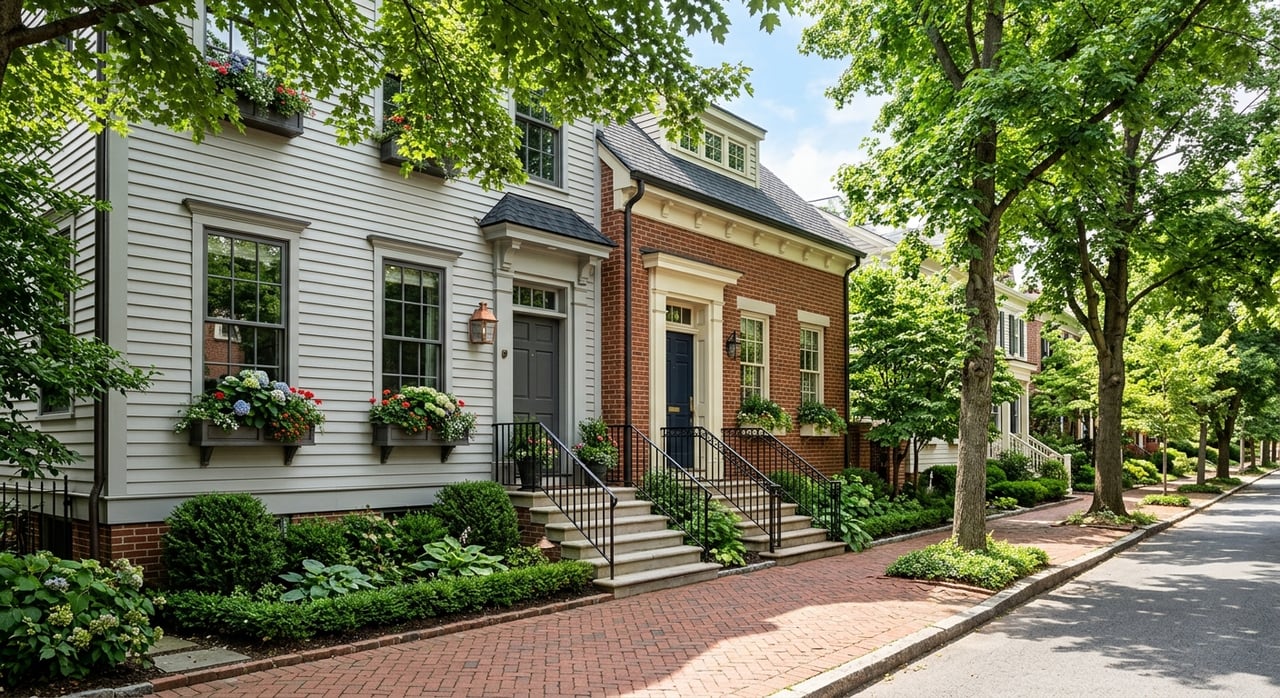
Downtown Natick is the town’s civic and cultural hub. The area includes the Town Common, the Morse Institute Library, and TCAN, giving the center a steady mix of public activity, events, and everyday foot traffic. Town planning also shows ongoing focus on Main Street improvements for pedestrian and bicycle safety, lighting, wayfinding, and streetscape design.
If you like the idea of stepping out for errands, community events, or a train, downtown offers the clearest setup for that. The Natick Center Commuter Rail Station sits within a quarter mile of the downtown parking area, and the town’s parking system supports on-street metered spaces, kiosk lots, and commuter parking.
From a housing perspective, downtown feels more mixed-use than purely residential. The DM zoning district allows a broad mix of uses, including some multi-family dwellings, and town planning documents note that residential uses support sidewalk activity and transit use. In practical terms, that often translates to a setting that feels more connected, compact, and active than a traditional single-family neighborhood.
Downtown may fit you best if you want:
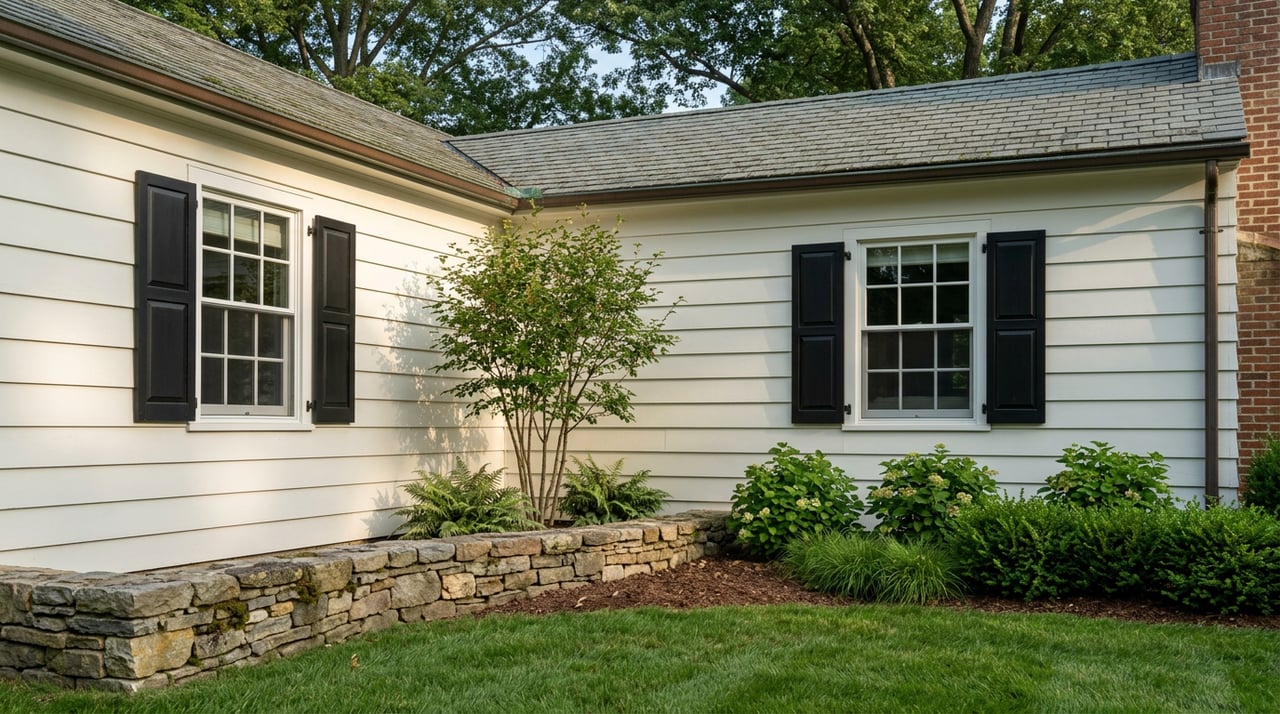
South Natick offers a different pace. The town treats much of the center as part of the John Eliot Historic District, and planning documents place strong emphasis on preserving its historic village character. That preservation-minded approach gives the area a more pocketed, distinct identity.
The setting also leans more toward open space and riverfront scenery. South Natick Dam Park sits beside the Charles River dam and is described by the town as scenic, and the town is working on redesign and revitalization efforts tied to the historic riverfront park network.
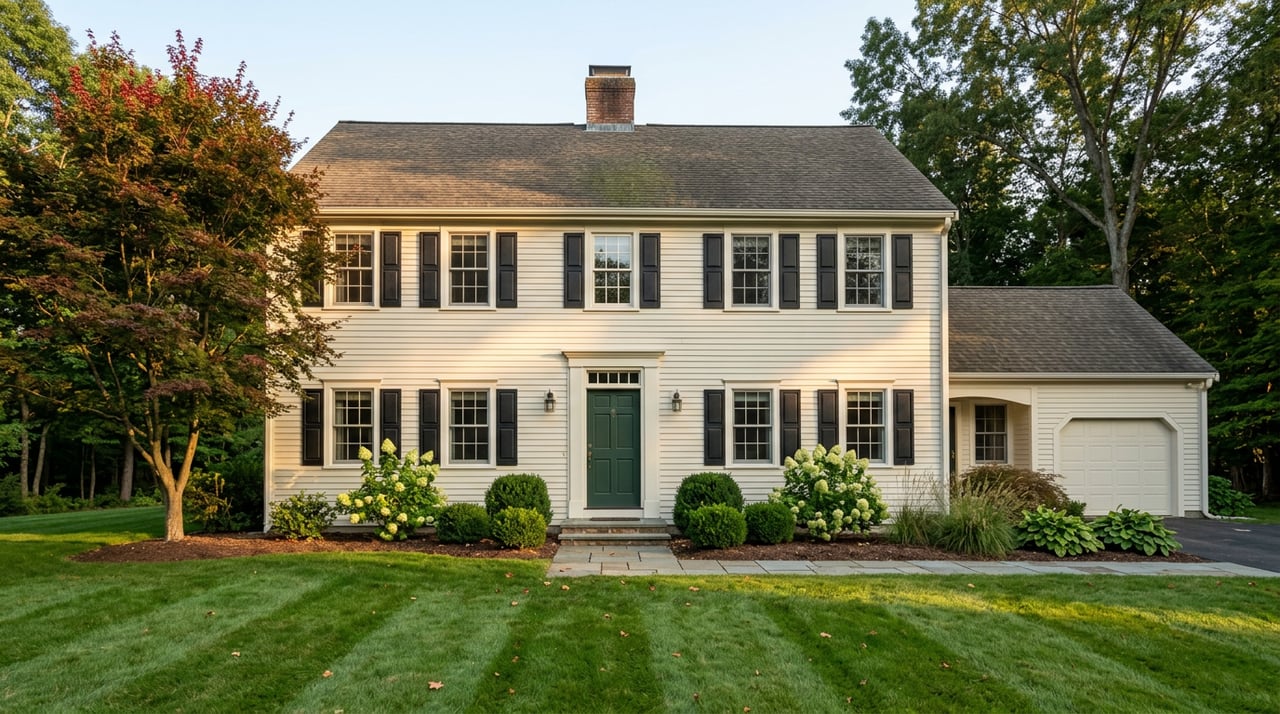
Housing in South Natick tends to read as more residential and lower density. Town documents reference nearby neighborhoods with single-family homes on larger lots and cul-de-sac streets. While that is not a parcel-by-parcel inventory, it does support the broader pattern of South Natick feeling less commercial and more rooted in a traditional residential setting.
South Natick may fit you best if you want:
Walkability means different things in these two areas. In Downtown Natick, walkability is one of the defining features. The town’s downtown zoning is built around pedestrian shoppers, and current planning work continues to focus on making Main Street safer and more comfortable for people walking and biking.
South Natick has walkable pockets, but the experience is not the same as downtown. Town planning documents call for continued improvements to walking, biking, and safe crossings into the commercial center. That suggests South Natick can support walking as part of daily life, but it is less oriented around concentrated storefront access.
The two areas are still connected. Town walking materials show a 2.0-mile sidewalk route from downtown to South Natick Center, and the Eisenmenger Trail links Coolidge Field in downtown with Memorial School in South Natick. Even so, South Natick still functions more like a village setting than an extension of the downtown core.
If commuter access is high on your list, Downtown Natick has the advantage. The commuter rail station is located in the downtown core, and the town’s parking guidance is structured around that central setup. For buyers who value rail access or want a more transit-oriented routine, downtown stands out clearly.
South Natick does not offer that same transit-centered pattern. You may still find the area appealing if your top priority is setting and character, but if you want the easiest access to the commuter rail as part of your weekly routine, Downtown Natick is the stronger match.
One of the biggest differences between these areas is how the housing environment feels around you. Downtown Natick is supported by mixed-use zoning and a planning framework that encourages residential activity near shops, services, and transit. That often creates a more compact experience, with homes or residences integrated into a busier center.
South Natick feels more traditionally residential. Planning documents point to larger-lot single-family patterns in nearby neighborhoods and a lower-density layout overall. If your ideal setting includes a little more breathing room and less commercial activity nearby, South Natick is likely to feel more aligned.
The better choice depends less on which area is “better” and more on how you want your days to work. If you want to be close to civic amenities, cultural destinations, errands, and the train, Downtown Natick offers a practical and connected lifestyle. It is the area that most clearly supports an on-foot, mixed-use routine.
If you are drawn to historic character, scenic surroundings, and a more residential village atmosphere, South Natick may feel more natural. It offers a different kind of appeal, one built around setting, preservation, and open-space access rather than concentrated convenience.
| Feature | Downtown Natick | South Natick |
|---|---|---|
| Overall feel | Active, mixed-use center | Historic, residential village |
| Walkability | Strongest walkable setup | Walkable pockets with improvement areas |
| Transit access | Best access to commuter rail | Less transit-oriented |
| Housing pattern | More mixed-use and some multi-family | More single-family, lower density feel |
| Surroundings | Civic and cultural destinations | Riverfront and open-space assets |
If you are serious about buying in Natick, try to compare these areas through the lens of your weekly routine. Think about how often you want to walk to daily destinations, whether commuter rail access matters, and how much weight you place on historic character or open space.
It also helps to look beyond broad labels. Two homes at similar price points can deliver very different experiences depending on whether you want a compact center, a more residential setting, or a balance between the two. That kind of neighborhood-level clarity can make your home search much more efficient.
If you want help weighing Natick’s micro-locations and finding the right fit for your goals, Leah Hart offers calm, informed guidance grounded in local market knowledge.
Stay up to date on the latest real estate trends.