Living in Sudbury MA: Historic Character and Daily Life
June 25, 2026
June 25, 2026
If you are looking for a town that balances New England history with practical day-to-day living, Sudbury stands out quickly. You may be drawn to its classic streetscapes, interested in its housing options, or simply trying to picture what life here actually feels like. The good news is that Sudbury offers more than a pretty first impression. It blends preserved historic character, established neighborhoods, everyday amenities, and outdoor access in a way that feels both grounded and livable. Let’s dive in.
Sudbury was founded in 1639, and that long history still shapes the town today. According to the town’s master plan, Sudbury’s character comes from its historic neighborhoods, farms, ponds, and streams. That mix gives the town a sense of place that feels distinctly New England.
What makes Sudbury especially notable is that its history is not treated as background scenery. The town has a formal preservation framework in place. The Historical Commission protects historic and archaeological assets, while the Historic Districts Commission oversees design controls in four historic districts.
Sudbury’s four historic districts are the Town Center, Wayside Inn, King Philip, and George Pitts Tavern districts. Each one helps preserve a different piece of the town’s identity. Together, they create a layered visual story that connects civic buildings, early sites, and classic residential streets.
In the Town Center district, notable landmarks include the Loring Parsonage, the First Parish Meeting House, the Grange Hall, and the Hosmer House. In the King Philip district, you will find the Goodnow Library, the Goulding House, and a surviving 1659 grist mill site. The Wayside Inn district includes the inn, Redstone Schoolhouse, grist mill, and Martha Mary Chapel, while the George Pitts Tavern district highlights Maple Avenue homes built between 1882 and 1920.
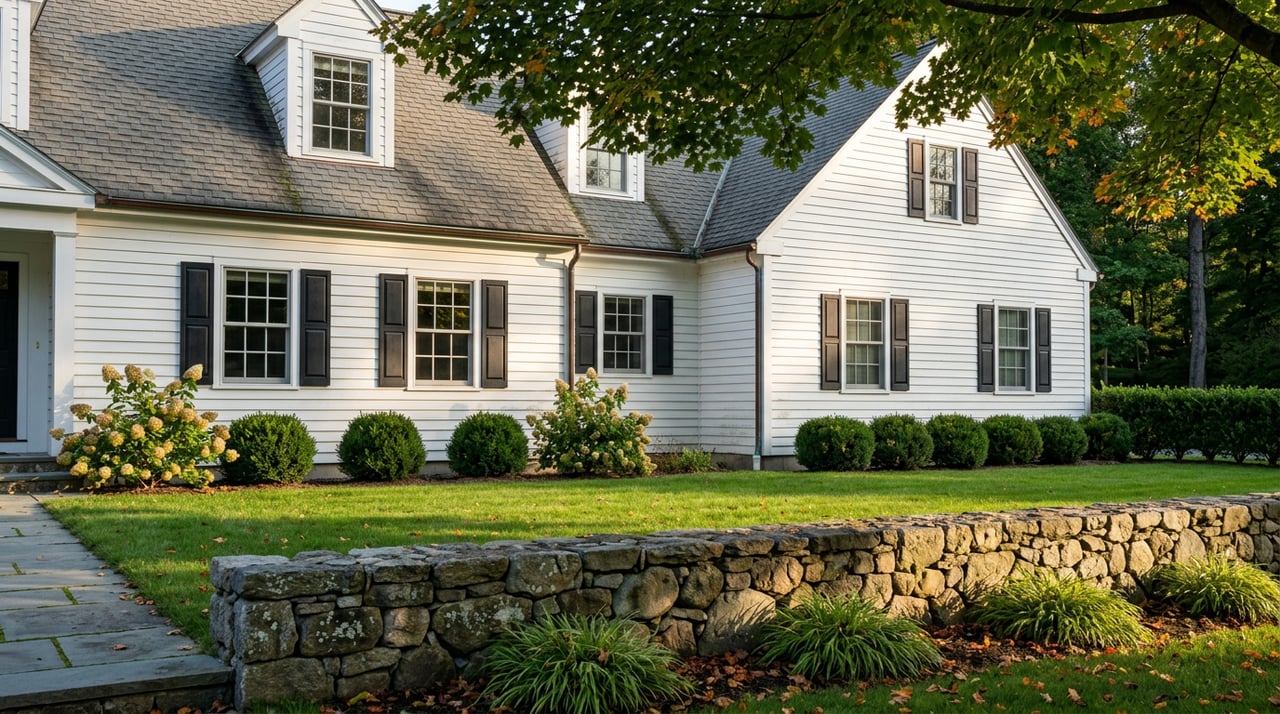
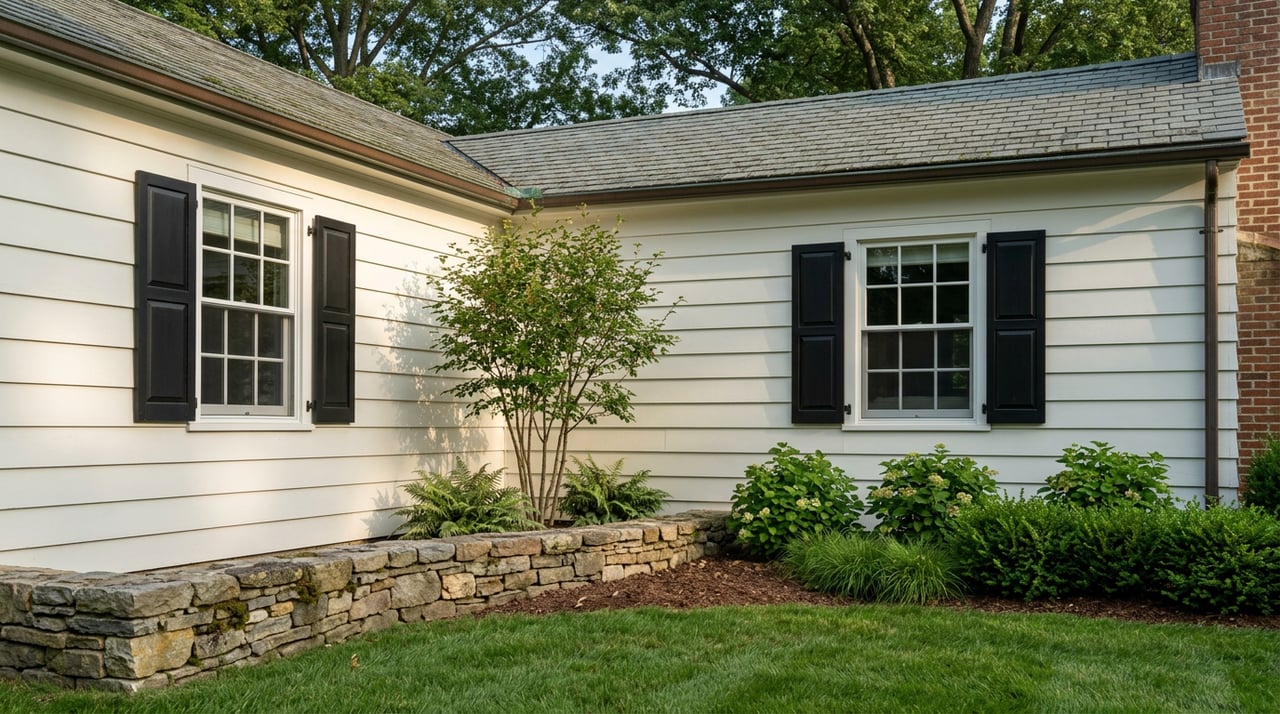
The district guidelines go beyond buildings alone. They also cover exterior architectural details, landscaping, stone walls, and signs. That kind of oversight helps maintain the classic streetscape many buyers picture when they think about historic Massachusetts towns.
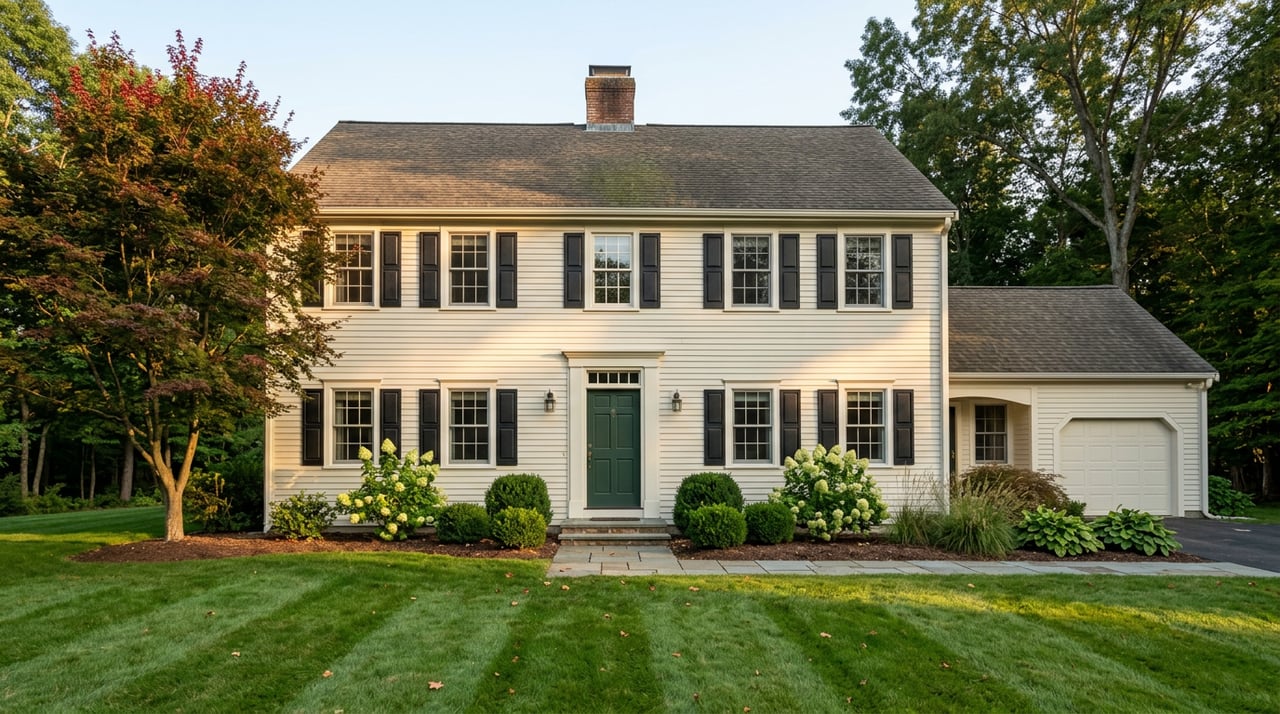
One of Sudbury’s strengths is that it feels historic without feeling stuck in the past. You can see preservation in the town’s districts and landmarks, but everyday life continues around schools, recreation, shopping, and local services. It is a town where history remains part of the setting rather than the whole story.
For buyers, that often matters a great deal. A historic setting can add charm and identity, but most people also want convenience, flexibility, and homes that support modern routines. Sudbury offers that balance in a way that feels natural rather than forced.
Sudbury is a relatively small and established suburb. The Census Bureau counted 18,934 residents in 2020 and estimated 19,805 residents in July 2024. The town had 6,297 households, with an average household size of 3.04 people.
The town is also a high-ownership community, with 89.9% of housing owner-occupied. In real estate terms, that often points to neighborhood stability and longer ownership patterns. It can also suggest that homes come to market less frequently than in more transient communities.
Sudbury’s age mix adds another layer to the picture. Census figures show 28.5% of residents are under 18 and 15.5% are age 65 and over. That tells you the town supports a broad range of life stages, from growing households to long-time owners and downsizers.
Sudbury sits in the higher-priced western suburb market. QuickFacts lists a median household income of $236,250 and a median owner-occupied home value of $988,900. For buyers and sellers alike, those numbers help frame the town’s position within the broader suburban market west of Boston.
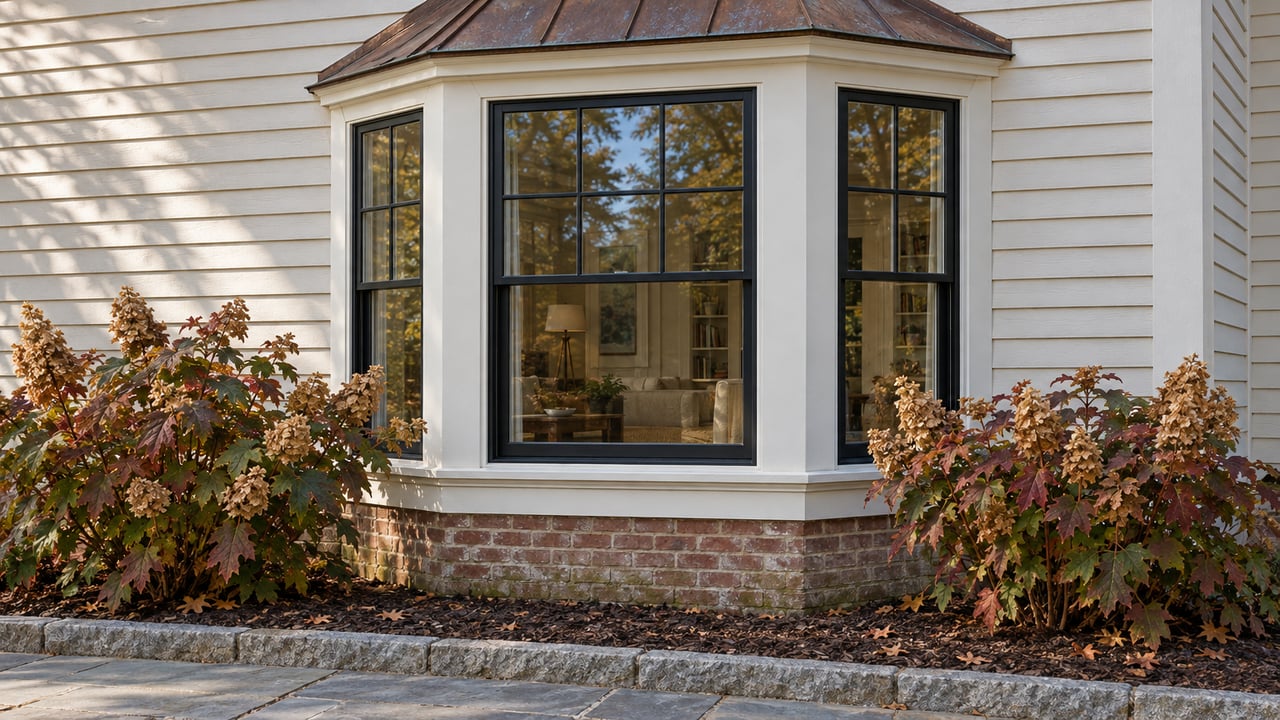
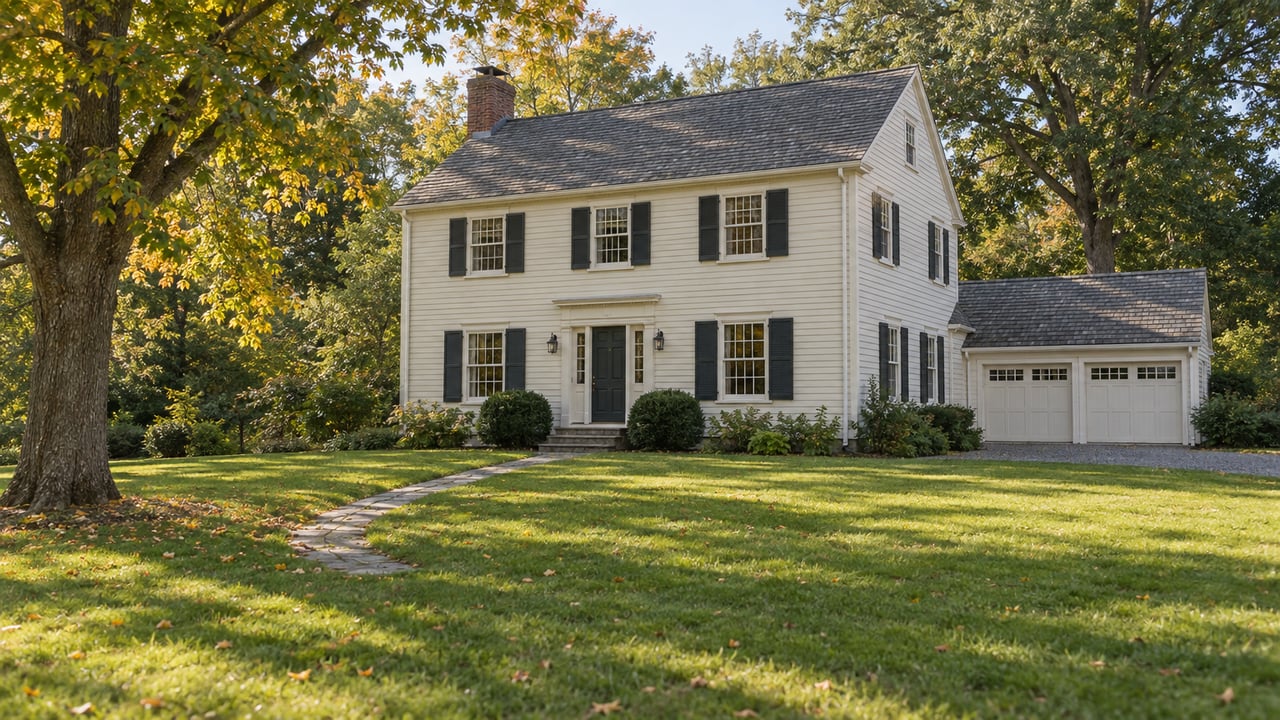
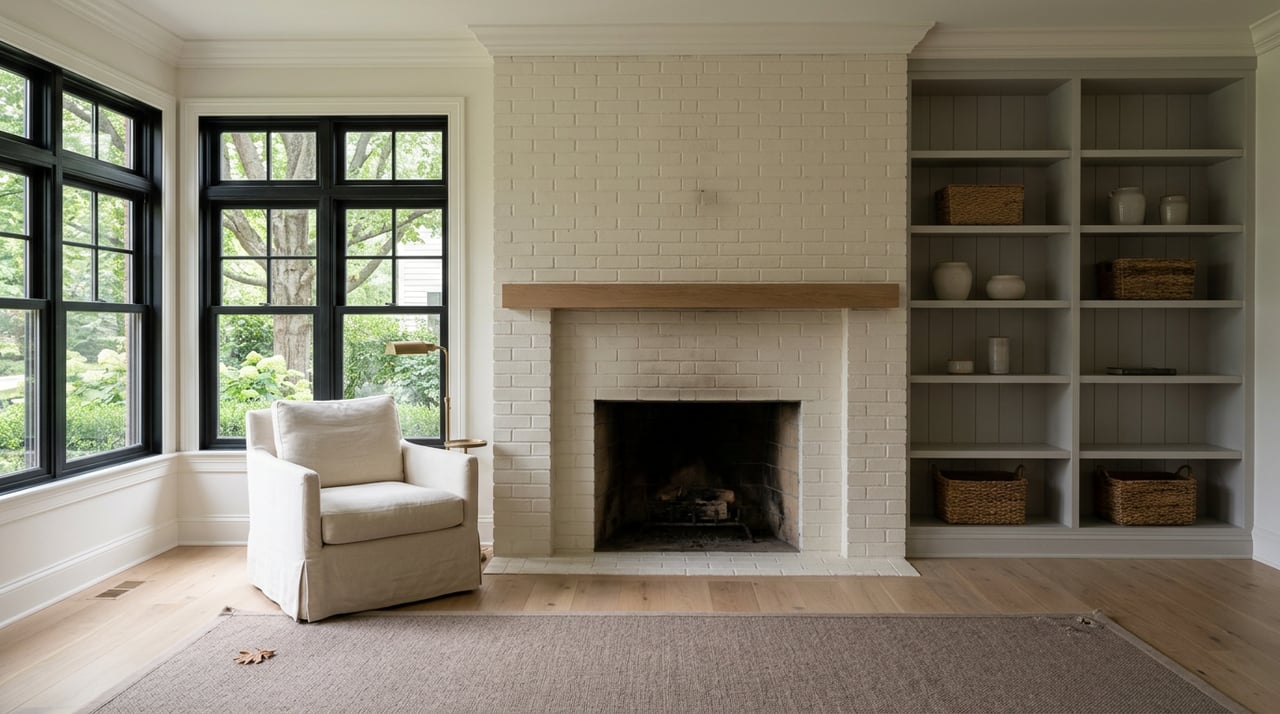
Housing in Sudbury is not one-note. The town includes historic homes, postwar suburban houses, and newer or mixed-use development. That range can be helpful if you are trying to match a home search to a specific lifestyle, budget range, or maintenance preference.
From a practical real estate standpoint, this variety means local knowledge matters. Two homes in the same town can offer very different settings, lot patterns, commuting tradeoffs, and neighborhood feel. That is one reason many buyers benefit from understanding not just Sudbury as a whole, but the smaller pockets within it.
Daily life in Sudbury tends to revolve around a few steady community hubs. Sudbury Public Schools includes four elementary schools and Ephraim Curtis Middle School. Students then continue to Lincoln-Sudbury Regional High School.
Beyond the school system, the town has long-standing civic anchors that support everyday routines. Goodnow Library, which opened in 1863, remains one of those touchpoints. The Fairbank Community Center is another, serving as home to Park and Recreation, Atkinson Pool, the Senior Center, and the Sudbury Public Schools administrative offices.
These kinds of facilities shape how a town feels over time. They give residents places to return to for recreation, programs, services, and community activities. In a suburban setting, those consistent gathering points often matter just as much as any one home address.
Atkinson Pool reflects the practical side of recreation in Sudbury. It includes an 8-lane, 25-yard lap pool and a separate diving well. That setup supports both family use and adult recreation, which fits the town’s broad age mix.
Outdoor recreation is also a major part of Sudbury’s everyday rhythm. The town’s conservation page lists a wide range of town-owned lands, including Barton Farm, Davis Farm, Frost Farm, Haynes Meadow, Hop Brook Marsh, King Philip Woods, Lincoln Meadows, Nobscot, Piper Farm, Poor Farm Meadow, and Tippling Rock.
Activities across these areas include hiking, biking, camping, cross-country skiing, canoeing, fishing, and horseback riding on some sites. For many residents, that means access to open space is not just an occasional bonus. It is woven into normal daily and weekend life.
Piper Farm is a good example of how connected Sudbury’s landscape can feel. It links trails from the Sudbury River toward Town Center and across to other conservation lands. That kind of linkage helps make outdoor access feel integrated rather than isolated.
Haynes Meadow offers another window into the town’s natural setting. It includes marshes, wooded swamps, eskers, and trail connections to nearby public lands and a middle school. These are the kinds of features that help explain why Sudbury often feels both suburban and deeply tied to the landscape.
The town is also updating its Open Space & Recreation Plan in 2026, with an emphasis on natural-resource protection, trail linkages, recreation, and keeping town-owned lands available for residents. That ongoing planning reinforces how central open space is to Sudbury’s identity.
While Sudbury is known for its historic and natural character, it also has defined commercial areas that support modern convenience. The town’s master plan identifies the Route 20/Boston Post Road corridor and Town Center as commercial areas that attract local and regional shoppers.
The Route 20 corridor is also the town’s primary target for growth and economic development. According to the master plan, that corridor includes two local and National Register historic districts. It also points to Meadow Walk as a successful mixed-use example.
This is an important part of Sudbury’s story. The town’s more modern suburban layer exists alongside preserved historic fabric rather than replacing it. For residents, that can mean easier access to shopping and services while still living in a town that values continuity and character.
Sudbury’s transportation pattern is mostly car-oriented. The town’s Transportation Committee says there is no public transportation within town boundaries and that Sudbury is currently car-dependent. For anyone considering a move, that is a practical point to understand upfront.
The Census profile also shows a mean travel time to work of 34.6 minutes. That gives useful context if your routine includes commuting to surrounding employment centers. In many cases, buyers weighing Sudbury are balancing town character and space with travel time considerations.
At the same time, the town does offer specialized transportation services. These include the Sudbury Connection Van, Go Sudbury!, the fare-free Catch Connect microtransit pilot through June 2026, and a Sudbury-Wayland Boston Hospital Shuttle. These options do not change the town’s overall car-oriented layout, but they do add support for specific needs.
Sudbury tends to appeal to buyers who want more than one thing at once. You may want a town with history, but not one that feels purely ceremonial. You may want suburban space, but not a place that feels generic. You may also want access to trails, civic amenities, and established neighborhoods without losing sight of everyday convenience.
That combination is what gives Sudbury its staying power. It feels historic but lived-in, refined but practical, and outdoor-oriented in a very usable way. For many buyers and sellers, that balance is exactly what makes the town stand out in the western Boston suburbs.
If you are thinking about buying or selling in Sudbury, working with someone who understands the town’s different neighborhoods, housing patterns, and lifestyle tradeoffs can make the process much clearer. If you would like thoughtful guidance tailored to your goals, connect with Leah Hart.
Stay up to date on the latest real estate trends.