What's New in Wayland Town Center? 3 Business Moves to Watch
August 20, 2026
August 20, 2026
Walk from the old Whole Foods plaza on Boston Post Road to the corner of Cochituate Road and you cover about half a mile, past the library parking lot where cyclists stage for the rail trail, past Russell's Garden Center on Pelham Island Road, into the cluster of storefronts most people still call Town Center out of habit rather than precision. Along that half mile this year, three business owners each decided this was the moment to make a move. None of them are doing the same thing, and none of them arrived at Wayland the same way.
That's the part worth sitting with. It's easy to read three openings as one trend line: Wayland is getting more restaurants, more places to go. But the logic behind each arrival is different enough that put side by side, they tell you something about how this town center actually works right now, and who's placing bets on it.
Start with the biggest bet. Terrain, the garden and home lifestyle brand under URBN (the parent company behind Urban Outfitters, Anthropologie, and Free People), is opening its newest event venue and cafe inside the former Whole Foods plaza at 297 and 311 Boston Post Road. It will be the company's fifth event space nationally, and the fifth Terrain Cafe location, joining three in Pennsylvania and one in Connecticut. Virtual tours and event bookings open August 28, with the venue's first wedding scheduled for that same day. The finished space runs more than 8,700 square feet of indoor area, built to hold up to 178 guests for a wedding and 250 for a corporate event, with barn wood floors, floor to ceiling windows facing Wayland's wetlands, and a cafe serving seasonal brunch and dinner menus.
The Wayland Post reported a detail in the plaza's own history that makes the reuse story sharper than it looks. The Wayland Village Shopping Center is a 32,000 square foot property on a 3.29 acre lot with 160 parking spaces, and its anchor tenant on paper is still The Fresh Market, a grocery chain that signed a lease, never opened a store, and continues paying rent through 2033. The plaza has spent years with a tenant paying rent for space nobody uses. Terrain filling the actual retail footprint, rather than the anchor slot, is the more concrete thing to happen here in a long time.
Terrain didn't pick Wayland by accident. In public comment before the town's Economic Development Committee, the attorney representing URBN said the company looks for towns with a specific profile: semi-rural but affluent, the kind of income demographics that support a farm-to-table restaurant and premium event pricing. A company spokesperson later told Patch the brand is drawn to sites with density, transportation access, hotels, and florists nearby, and framed the empty plaza as an opportunity rather than a liability.
As Patch reported, the company's Alcorn said, "One of the best things about Terrain is how we can reimagine something."
Not everyone at that Economic Development Committee meeting saw an easy win. Elizabeth Russell Skehan, co-owner of Russell's Garden Center and a Pelham Island Road resident, spent part of the hearing laying out why Terrain's arrival worried her directly. Terrain's product mix, home goods, live plants, flowers, and gifts, overlaps closely with what Russell's already sells a few minutes away. She raised a second concern too: if Terrain's furniture and event-driven model underperforms, the company could lean harder into garden center retail to compensate, putting it in more direct competition with an independent business that's been part of Wayland's commercial fabric for generations. Skehan pointed to URBN's own SEC filings, where Terrain's financials are folded into Anthropologie's results rather than reported separately, and cited $4.6 million in store impairment and lease abandonment charges in the first quarter of fiscal 2025 alone, on top of $11.9 million the year before, as evidence the parent company's risk tolerance for underperforming concepts is worth watching.
Other committee members saw it differently. Val Ilchenko and Jesse Lopez both argued that Wayland has a shortage of commercial draws compared to neighboring towns, and that a destination-quality business could bring new visibility rather than cannibalize existing ones. Jeff Vecchio, for his part, questioned whether a strip mall parking lot was really the setting people picture for a wedding, though another committee member pointed out that the old Whole Foods building's oversized wooden trusses give it more architectural presence than the exterior suggests.
None of that resolves cleanly, and it shouldn't. A national retail brand and a family-run garden center are now operating in the same category within walking distance of each other, and how that plays out over the next year or two is genuinely open.
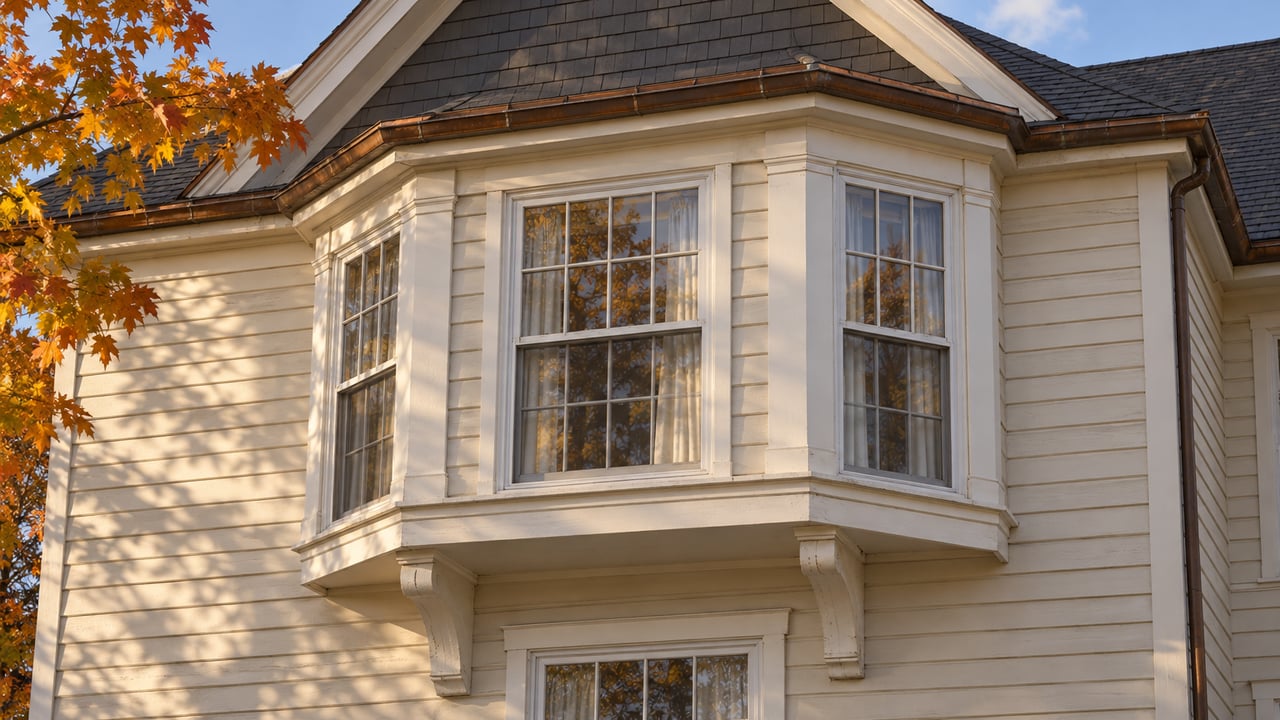
The counterpoint to Terrain isn't another chain. It's Town House Cafe & Bistro, moving into the former Collins Market building at 21 Cochituate Road, a white-columned Greek Revival and Federal-style structure dating to 1841 that has cycled through uses ranging from a market to office space over the years. The project was originally described as a summer opening when it cleared Zoning Board of Appeals approval, but as of this month the timeline has shifted to late November or early December, the kind of slip that tends to happen when a restoration project meets a 185-year-old building.
Owner Kirstyn Lipson is a Wayland resident who left Massachusetts for graduate school and career opportunities before returning four years ago and settling back in town. She's said she's particularly drawn to the Historic District and its proximity to the rail trail and the library, and she chose this specific building because it was for sale at a moment she was ready to build the business herself. The first floor will hold a breakfast bar, booths, and a fireplace. Upstairs, a flexible layout with archways and French doors can open into one space or divide into four, each with its own name drawn from the building's past: Switchboard, Library, Study, and Marketplace, intended for private gatherings like baby showers, family celebrations, or a standing book club.
Where Terrain's pitch is built on demographic fit and a concept it has already reproduced in Pennsylvania and Connecticut, Lipson's is built on one building's specific history and her own decision to live in the town she's opening a business in. Both are legitimate ways to bet on a place. They're just not the same bet.
Set against those two, Takara Japanese Restaurant's relocation this spring looks almost uneventful, which is exactly why it matters. Owner Jacky Zheng opened the restaurant in 2007 with a handful of tables and a sushi bar, and in April the business simply moved a few blocks within Town Center, from its longtime spot on Elissa Avenue to 21 Andrew Ave., a space that had cycled through a Panera Bread and then Wayland Bagel Table before Bagel Table closed that location in June 2025 (the chain still operates in Ashland, Boston Landing, Maynard, and Natick). The town hosted a ribbon-cutting for Takara's new location on April 30, and Zheng's business now sits alongside sister restaurants in Canton and Medfield.
There's no reinvention here, no new concept, no debate at a public meeting. A restaurant that's been part of Wayland for almost two decades moved to a nearby space. After watching a national brand and a first-time local owner both make their case for what Wayland's town center should become, Takara's move is a reminder that the town center's oldest constant is businesses that already work simply staying close to where they've always been.
Taken separately, these are three unrelated stories: an event space, a bistro, a restaurant relocation. Taken together, they show a town center being pulled in two directions at once, toward a national brand's calculated bet on affluent demographics, and toward a resident's decision to restore one specific building, while the businesses that were already succeeding here quietly hold their ground. If you've lived in Wayland long enough to remember when that plaza still had a Whole Foods sign up, or to have a standing order at Takara from its Elissa Avenue days, this is worth watching for reasons that have nothing to do with market data. It's your town center, and for the first time in a while, more than one kind of business is deciding it's worth investing in.
If you're weighing what any of this means for your own plans in Wayland, whether that's a move, a sale, or simply understanding how the town is changing around you, Leah Hart has spent nearly two decades tracking these shifts on the ground. Let's Connect.
Stay up to date on the latest real estate trends.