Two Town Reviews That Can Shape a Wellesley Rebuild Timeline
September 10, 2026
September 10, 2026
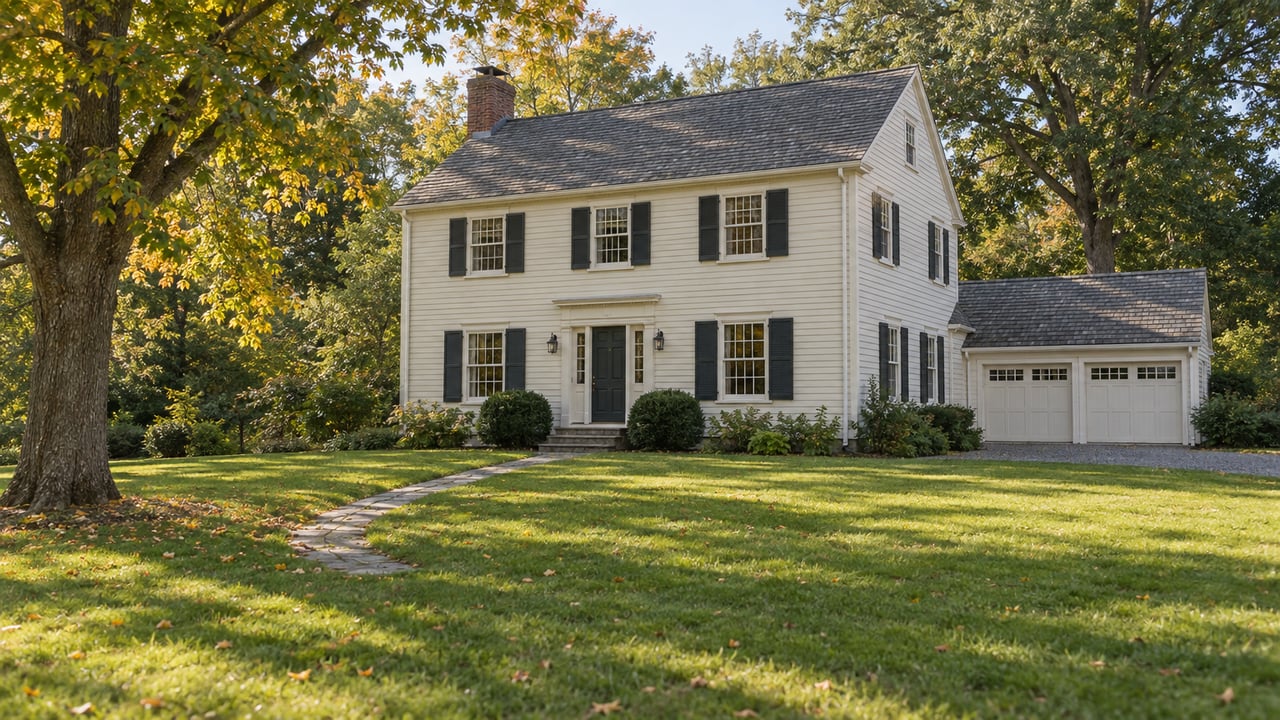
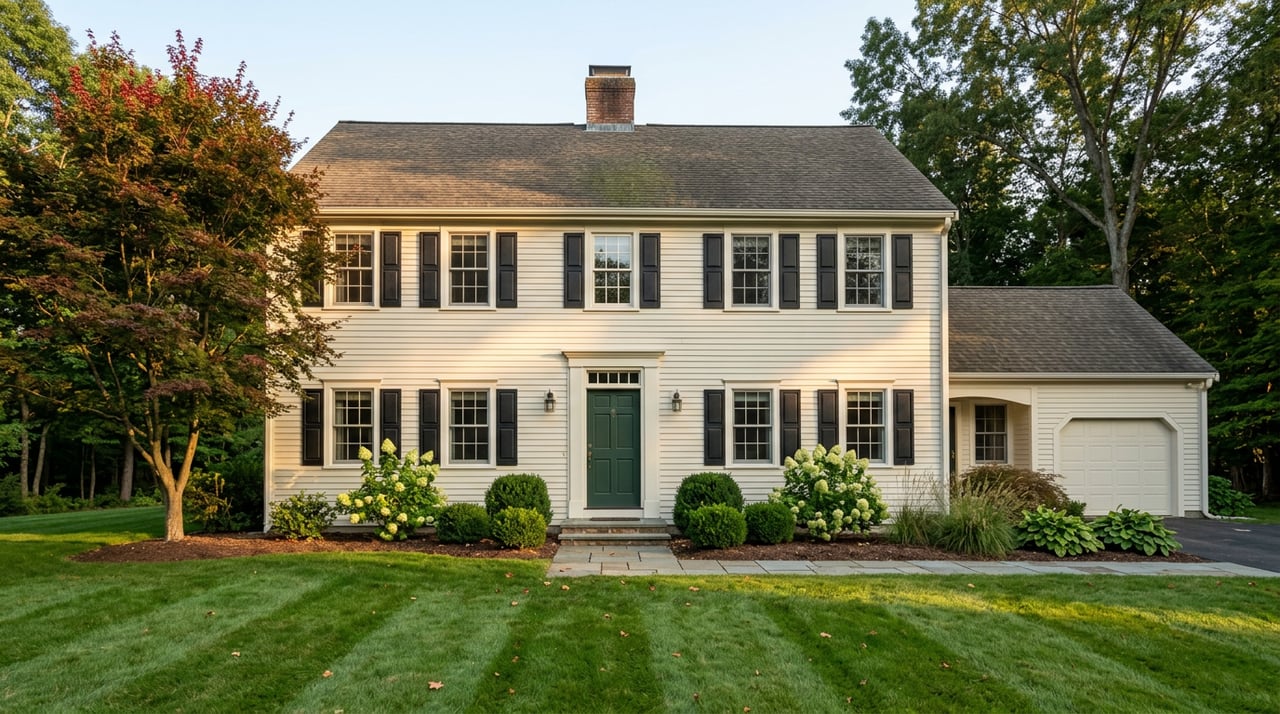
As Boston Magazine reported in a May 2026 feature, an architect and an interior designer bought a lot in Wellesley with a plan that seemed straightforward. Clear the site, build something modern, and give their clients the terrace, pool house, and roof deck they had been picturing. David Stern and Diane McCafferty had done this before in town. What they had not counted on was the house already sitting on the lot: a 1930s center-hall Colonial that the Wellesley Historical Commission determined should be Preferably Preserved. That ruling meant a 12-month wait before the town would even issue a demolition permit, under a bylaw the town adopted in 2017. Rather than lose a year, the design team redrew the project around a portion of the original structure, a decision detailed in that feature.
That story illustrates why an older Wellesley house may involve more than the lot itself. In a town where most new construction happens by replacing something older, a rebuild candidate may involve separate town reviews that run on their own clocks.
Wellesley's Demolition Review Bylaw applies to any building used as a dwelling, built before 1950, or used as a dwelling within three years of the application date. An owner seeking to demolish one of these homes first files for an Eligibility Notice. If the home qualifies, the town schedules a public hearing with the Historical Commission within 45 days. The Commission then decides whether the home is Preferably Preserved. If it rules yes, the Building Department cannot issue a demolition permit for 12 months. If it rules no, the owner can move forward without further action. An owner can also request a waiver later, typically by showing a genuine, unsuccessful effort to find a buyer willing to preserve the home, or by agreeing to conditions the Commission sets.
The reason this matters so broadly in Wellesley is the age of the housing stock itself. According to the town's own draft housing plan, the median single-family home in Wellesley was built around 1950, and roughly 35 percent of the housing stock predates 1939. A large share of the homes people are considering for a full rebuild sit right at the edge of the review threshold, not safely past it.
The same housing plan puts a number on how much of the town's "new construction" is really replacement construction. Between 2003 and 2025, builders completed more than 1,200 single-family homes in Wellesley. Over that same span, the net increase in single-family housing stock was just 95 homes. The gap between those two figures is the real story: nearly every new build in town replaced an older one rather than adding to the count. Wellesley is close to built out, so when a listing describes a home as new construction, a demolition almost certainly came first, whether or not the current owner or buyer ever thought about the bylaw that governed it.
The Historical Commission's own record shows the full 12-month delay is the exception, not the rule. At a July 2024 meeting, the Commission reviewed a 1930s bungalow at 1 Kendall Road and ruled it Not Preferably Preserved, clearing the way for demolition without a delay. At that same meeting, staff noted that only 19 properties had gone through the complete demolition delay process since the bylaw took effect in 2017. Most eligible homes clear the process without losing a year.
What does not change is that the town schedules the hearing within 45 days. Even a fast, favorable ruling can affect a purchase timeline that a bridge loan or a rehab construction loan may not have built in. Buyers who assume they can close and break ground in the same season are often working from an incomplete calendar.
Once demolition is settled, a rebuild may also have to clear Large House Review under Section 5.9 of the zoning bylaw. The threshold is based on Total Living Area plus Garage, known as TLAG, measured against the minimum lot size for the property's zoning district. The following approximate TLAG thresholds were reported by Patch:
| Property regulation district | Approximate TLAG threshold |
|---|---|
| 10,000 square feet | 3,600 square feet |
| 15,000 square feet | 4,300 square feet |
| 20,000 square feet | 5,900 square feet |
| 30,000 to 40,000 square feet | 7,200 square feet |
These figures have shown up consistently in Wellesley zoning board records for more than a decade, and the Planning Department can confirm the current number for a specific address before anyone assumes it still matches an older document.
Once a project is subject to review, the town's own description of the process puts the project in front of the Design Review Board about a month after submission and the Planning Board roughly two months after that. Start to finish, Large House Review generally runs three to four months from submission to building permit.
One additional detail to consider. According to Wellesley's Large House Review information, a project that requires a special permit from the Zoning Board of Appeals for a pre-existing nonconforming lot or structure is exempt from Large House Review entirely. Two houses with identical proposed square footage in the same district can follow completely different paths through town hall depending on whether the lot itself is dimensionally conforming. A nonconforming lot, which sounds like the harder problem to solve, can turn out to be the faster route to a building permit.
So far in 2026, single-family homes in Wellesley have sold for an average of $2.56 million across 82 closed transactions, up from $2.34 million over the same stretch a year earlier, with roughly 2.6 months of supply on the market. Homes have been selling near 100.9 percent of list price and going to offer in about 33 days on average. That pace changes the cost of a surprise delay. A buyer who wins a competitive lot and then discovers a 12-month demolition wait is carrying financing on a property where construction cannot start, while a comparable lot down the street may already be under agreement.
Condo sales tell a different story over the same window. Closed condominium sales in Wellesley have averaged $1.13 million so far in 2026, down from $1.59 million a year earlier, across just 15 closed transactions. Averages in a town this small can move sharply based on which properties happen to close in a given period, which is one more reason to look past a single headline number before pricing a rebuild strategy or a sale.
Does every home built before 1950 in Wellesley face a demolition delay? No. Being built before 1950 only makes a home eligible for review. The Historical Commission still has to hold a hearing and rule Preferably Preserved before any delay applies, and most eligible homes clear the process without one.
Can I find out a property's Large House Review threshold before making an offer? Yes. The Planning Department can confirm the current TLAG threshold for a given address, since it depends on the zoning district and the bylaw has been revised more than once in the past decade.
Does a demolition delay also block the building permit for the new house? The 12-month delay applies to the demolition permit specifically. Since construction cannot begin until the existing structure is gone, a delay on demolition pushes back the entire project timeline even if the new design has already cleared other reviews.
Older Wellesley homes carry more than charm and mature trees. A rebuild can also involve paperwork with real deadlines attached. Leah Hart works through these details with buyers and sellers as they plan, so a rebuild timeline or sale strategy can account for the town review processes. Let's Connect.
This article is general information, not legal, tax or financial advice. Consult a qualified professional about your situation.
Stay up to date on the latest real estate trends.